by Juliet Belisario
It’s A Guy Maddin Life
In Conversation with Guy Maddin
My Winnipeg, 2007.
by Juliet Belisario
Careful, 1992.
Guy Maddin is an experimental filmmaker, artist, and author from Winnipeg known for his silent-era-inspired cinema. His films include the docu-fantasia My Winnipeg and his latest, Rumours, starring Cate Blanchett. Across his prolific career, he’s collaborated with a whole host of artists, ranging from Shelley Duvall to Lou Reed.
When I first met Guy Maddin, it was at a warmly lit, overcrowded filmmaker party. There was an open bar, and I’d had one too many vodka cranberries. I immediately poured open to him about my love for the It’s a Wonderful Life music video he directed for Sparklehorse. I didn't tell him this then, but it’s a work of Maddin’s I’d seen upwards of a hundred times. Two weeks later, after graciously agreeing to an interview, Maddin begins our email correspondence, delighted that someone brought up the Sparklehorse collaboration at all. He then tells me he’s spent the morning scrambling to finish collages for an upcoming show after missing a deadline. “I’m using voice-to-text, so forgive the typos”, he writes.
You’ve spent your career rekindling and reworking the language of early cinema. What is it about those “lost” forms that still feel significant to you today? Has your relationship with them changed over time?
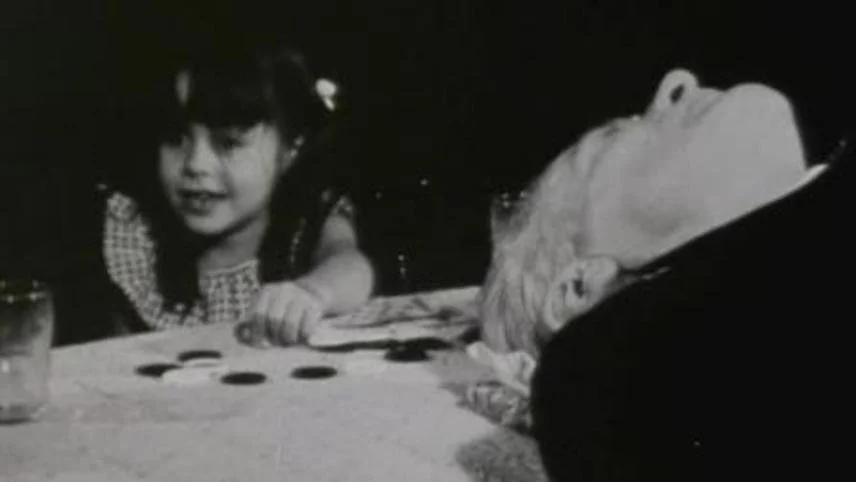
I really fluked into my style of filmmaking, the one that seems obsessed with musty, old vocabularies. When I made my very first film, The Dead Father, I went into the project without thinking of style at all. I had a script and was determined to get it onto the screen. I got a book from the library, I think it was Lenny Lipton’s Independent Filmmaking, and it taught me the basic three-light setup. Except I was so bad at it that on the first day of shooting, I was giving all my actors three nose shadows. So I unplugged one light to get it down to two nose shadows, then unplugged another so everyone just had one, but they were harsh, dark shadows that looked like Hitler mustaches. I started moving faces and lights around until the shadows shortened. In the end, all the shadows in the frame were extremely black, and only the faces were lit sufficiently. I was shooting in black and white so suddenly the frame was full of shadows, murk and mystery. When the film came back from the lab, it looked a bit German expressionist. I didn't hate German expressionism, but I didn't particularly like it either. Still, I had accidentally imbued the emulsion with a kind of atmosphere reminiscent of the silence. I really dodged a bullet, because I hadn’t thought about visual style for a second, and suddenly I had one. So I leaned into it. I watched a lot of silent films and realized they approached narrative in a way that more closely resembled fairytales, than naturalist or realistic storytelling. This jived with how I read books. I always entered a book through the door marked “fairytale”, and even if the book wasn't a fairytale, I sorted that out later. The slightly timeless feeling this style imparted helped me with the subject matter I was hoping to cover with my movies, themes of loss, memory, etc. And so I was off to the races. Accidentally. But I never let on that it was an accident.
The Dead Father, 1986.
Your films often interrogate themes of memory and invention, especially in My Winnipeg. When revisiting your own past, do you feel like you’re trying to get closer to the truth of it, or turn it into something else entirely?
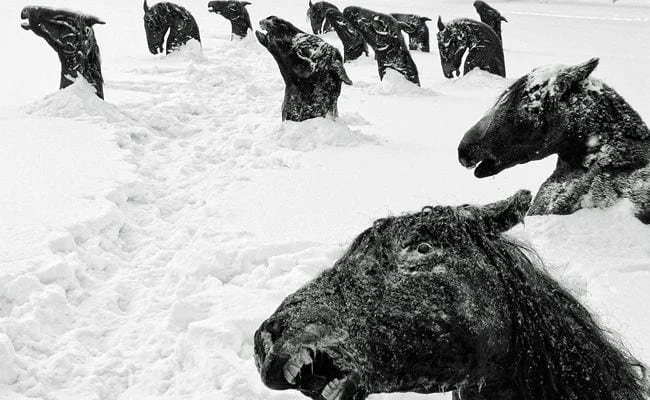
In all my movies, I think I’ve been very honest with myself and with viewers at a deeper level, but on the surface, sometimes incredibly dishonest. I always make sure the truth is in there somewhere, even if it’s disguised within a euphemism. In the case of My Winnipeg, I really wanted to give Winnipeg a hundred years’ worth of mythology in just eighty minutes. Some of it is literally true, some of it is emotionally true, and some of it is just lying. But I discovered something strange about lying while working on that project: I wouldn’t just choose any lie. They were carefully curated lies. After many months, I realized that the kind of lies I was telling were actually the same as telling the truth. They were essentially wishful thinking, revealing what I wanted to be true. And saying out loud what you want to be true says a lot about you, maybe more than simply stating facts. What you wish is very much what you are, even if those wishes never come true. So while making My Winnipeg, I felt mischievous lying so much. But in the end, I don’t think I lied at all. For all the effort I put into lying, I might as well have been standing there with my pants down around my ankles, confessing my innermost secrets.
My Winnipeg, 2007.
You’ve spoken about your love of fairytales, especially writers like Hans Christian Andersen and Brothers Grimm. Is there one fairytale that’s stayed with you over time, or shaped the way you think about storytelling? I’ve always been drawn to The Little Mermaid, and I’m curious if there’s one that’s followed you in a similar way.
I love far too many Andersen and Grimm fairytales to mention just one, and I can’t seem to remember any right now anyway. There are too many good ones. But there are also more “mature” fairytales that aren’t really fairytales, writers like Franz Kafka and Nathaniel Hawthorne. I remember being hit pretty hard by Hawthorne’s short story Wakefield. It’s about a father who disappears one day, not because he dies or is kidnapped, but because he moves a few blocks away and lives there for twenty years before coming back. It feels like a fairytale to me because it’s about fathers who are present but absent, lost in their newspapers, their work, the internet. They’re gone, and if you’re lucky, they come back someday. My own father died when I was 21. My dreams told me he hadn’t died, but had moved a few blocks away to live with a better family. In those dreams, I was so happy he was alive, but the idea that he had abandoned me made me feel terrible. Still, just being able to see him again, to hear his long-forgotten voice, meant everything to me. I loved those dreams. I’d been having them for years when I encountered Wakefield, and it knocked me out. I guess that’s my favourite. I also love Kafka’s The Village Schoolmaster.
You’ve worked with both non-actors and trained performers, often within highly stylized, melodramatic worlds. How do you guide performances in that space, especially when you’re asking actors to move away from naturalism and embrace something more heightened or artificial?
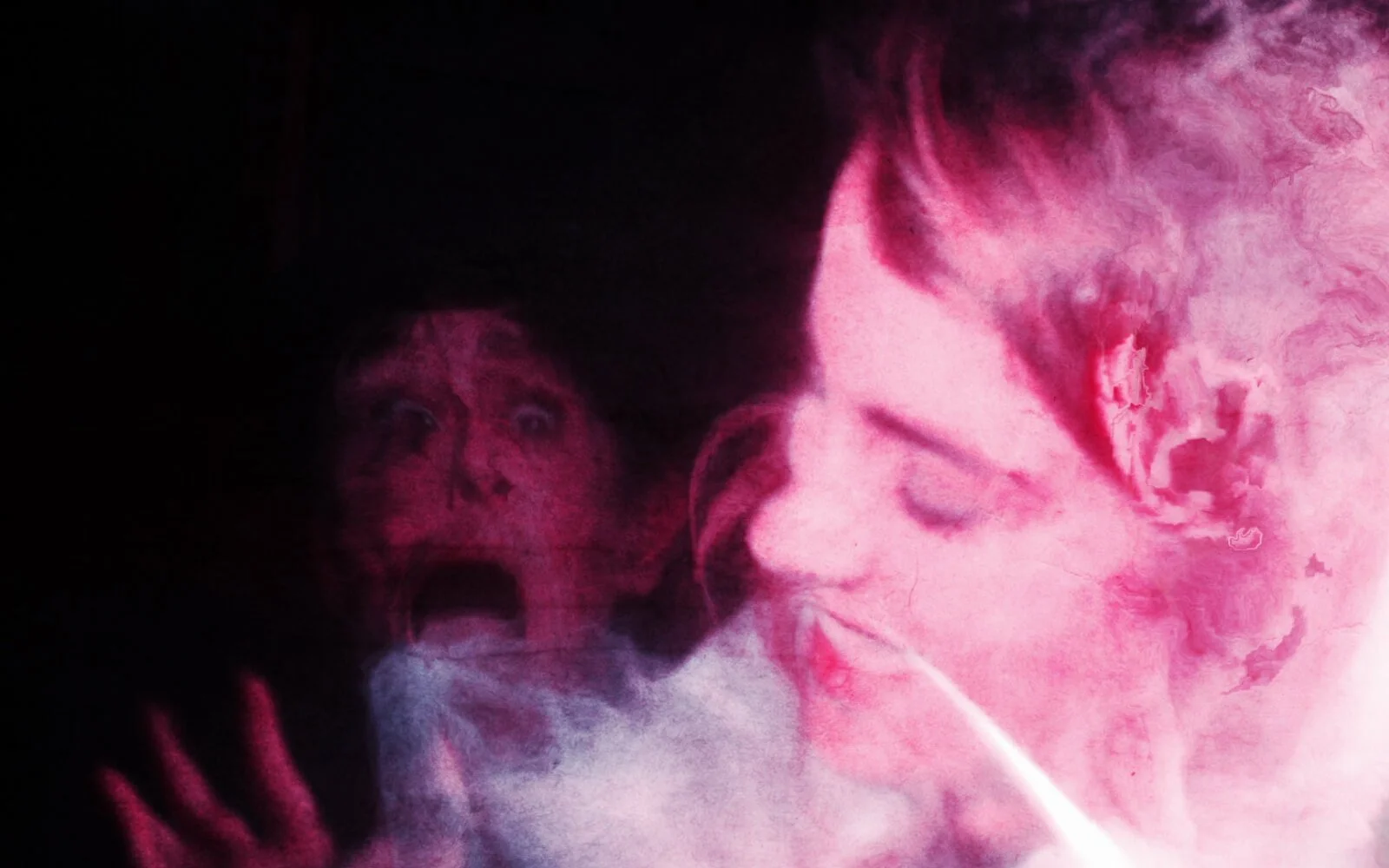
I really love working with non-actors because they just let you tell them what to do. Professional actors want to understand what’s on the page and then deliver something honest from the heart of their characters. But for a long time, I was mostly writing types, not characters, so I had a completely clear conscience just telling people what to do, sometimes even showing them. I recently learned that Ernst Lubitsch worked this way too. He would deliver the lines and gestures himself, and his actors had to imitate him, and he made some of the greatest films of all time. That’s given me permission to feel less guilty about what I’ve been doing for decades. As I’ve worked with more professional actors, I’ve come to like a balance. On The Forbidden Room, almost everyone was a professional, but the spirit on set was so reckless and experimental that they just fell into it. I barely had to direct them at all. They had such natural charisma that as long as they roughly remembered their lines, that was enough. And for me, good enough is great. It was tougher on Rumours, where the actors were a few notches higher in pedigree and didn’t like being told what to do. So I had to talk with them about their characters, answer questions, and let them deliver what they felt was right. It wasn’t much fun for me, but they did a good job.
The Forbidden Room, 2015.
Sound design is a major part of your work, and you’ve described it in the past as something like painting. How do you think about sound in relation to a character’s inner state, or even your own, in your films? Do you write with sound already in mind, or does it come in later in the process?
Sometimes sound comes last, even after editing, but usually it comes during editing. I almost never think about it while writing. I just trust that sound will be there later to help if the writing, acting, or storyboarding has failed and the poor little movie needs support. You can help a movie a lot with sound design. I’ve even added narration at the very end, I’m hardly the first to do that. I think Terrence Malick added Linda Manz’s narration very late in Days of Heaven. When I started making films, I was heavily under the influence of Eraserhead, but I tried not to imitate Lynch’s industrial drones. Instead, I used the crackle of old late-night movie soundtracks, optical tracks that had gathered dust over decades. When an edit wasn’t holding together, I could glue it by laying that crackle over everything. Suddenly the shots belonged together, at least until I faded it out. In a way, I went even further back than Lynch, back to the primordial ooze of sound. Speaking of primordial, you’ve probably seen Lynch’s Lumière film, Premonitions Following an Evil Dead, he nailed that assignment.
You began filmmaking working in formats like 16mm and Super 8, and have since moved into digital formats. How has that transition changed your relationship to filmmaking, and the way you explore your obsessions? Do you find yourself missing the texture analog brings, or have you discovered new freedoms in that shift to digital?
I do miss film emulsion, but I don’t miss the terror of waiting for footage to come back from the lab, wondering if anything was usable. Now you find out instantly with digital, and I like that. What I don’t like is that it looks digital, unless you do a lot of work. I’m not broad-minded enough yet to fully embrace that look, though I want to be. My scripts still feel like film scripts, not digital ones. There are exceptions. My collaborators and I made a behind-the-scenes film called Bring Me the Head of Tim Horton, where we embraced digital, and that was very liberating. What I really miss about Super 8 is making edited-in-camera films, just pulling the trigger to start a shot and releasing it to end, then sending the roll off and getting a finished film back. When I teach filmmaking, I have students do a version of that with their phones. They’re not allowed to rearrange or trim shots, only glue them together. Some of them fluke into really great work that way.
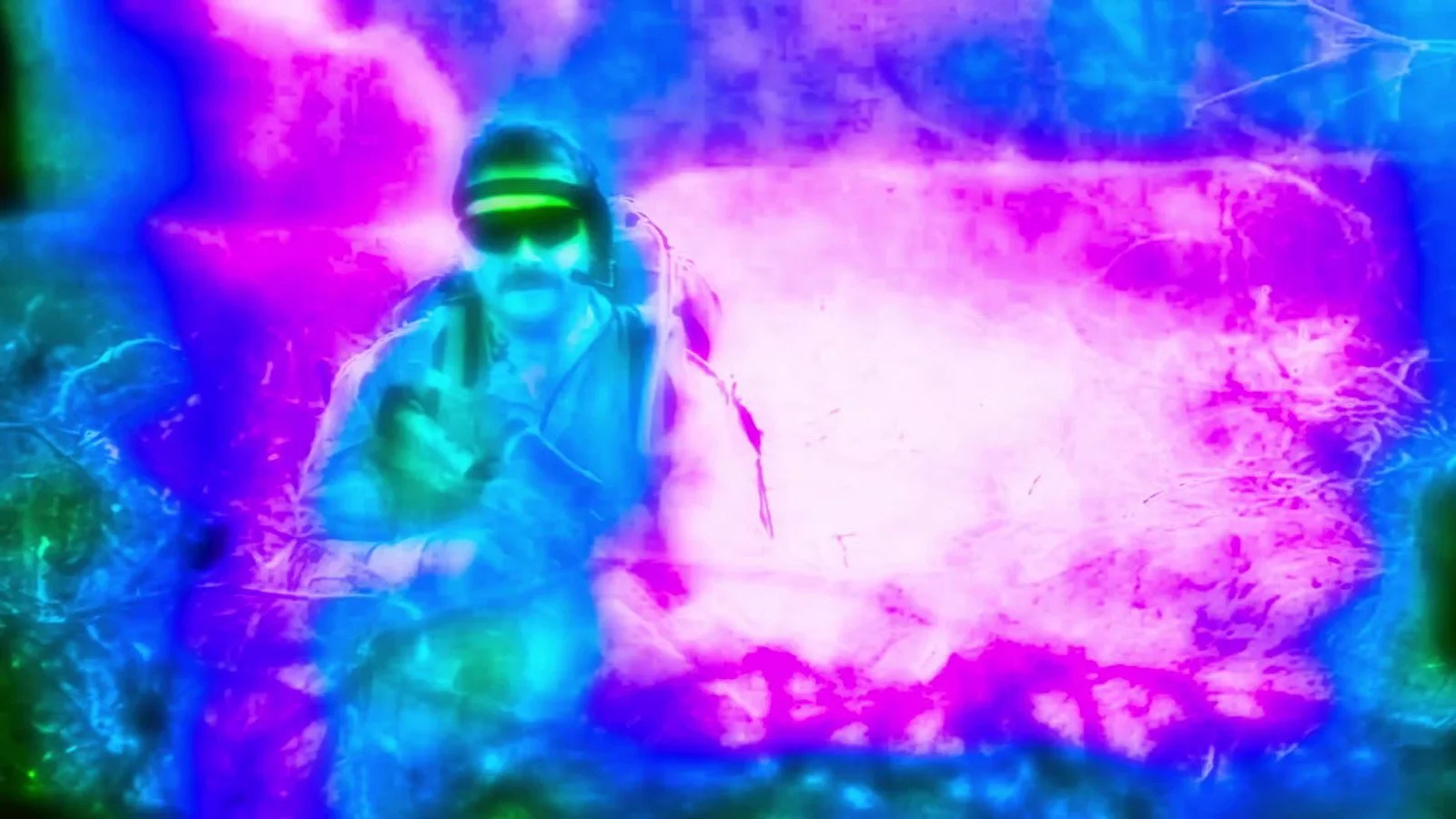
Bring Me the Head of Tim Horton, 2015.
As an artist, you’ve moved between gallery installations and filmmaking. What does installation work allow you to do that cinema doesn’t?
I started doing installation work as a kind of safety net, in case I couldn’t make films anymore. I thought maybe I could survive making work for galleries and museums. But a lot of my installations are basically film projects placed in public spaces, so I’ve been cheating a bit, and luckily, institutions have allowed it. The most exciting one was shooting The Forbidden Room in public, both in Paris at the Centre Pompidou and in Montreal at the Centre Phi. We just made the film and pretended no one was watching. I thought being observed might make me more flamboyant as a director, like an ant in an ant farm, but I quickly forgot the audience was there, like I was someone on reality television, and reverted to my usual habits. Still, it was kind of crazy, and I’m glad I did it.
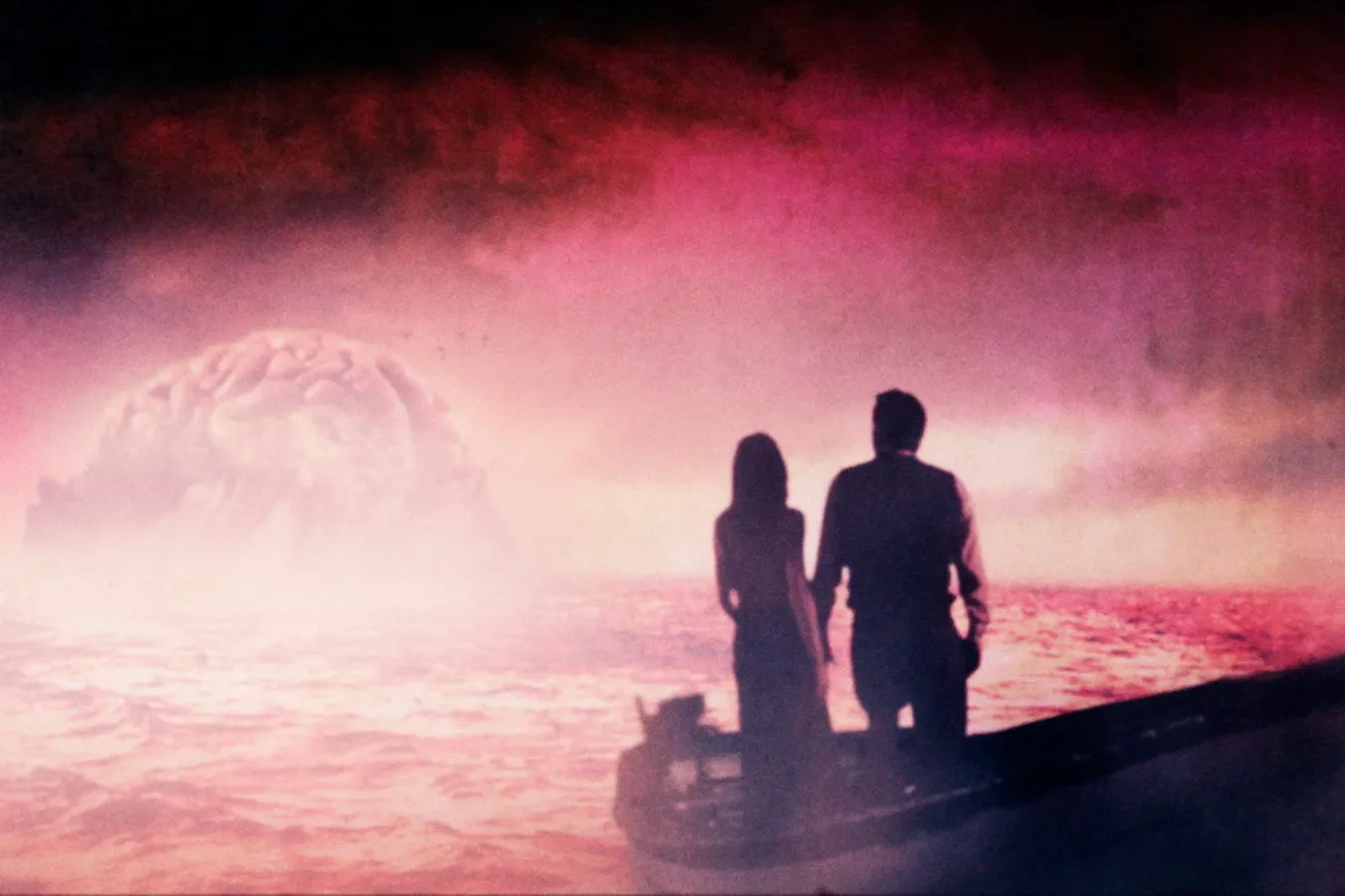
The Forbidden Room, 2015.
Your films often balance the sincere with the absurd. Do you see those as opposites, or do they come from the same place for you?
I really need to mix the sincere with the absurd, it’s just who I am. Most of my favourite filmmakers and writers have a strong control of atmosphere, but also a strong sense of humour. I want to be like them. If I find myself being serious for too long, I am quickly compelled to flat-tire myself. I can't stand the sound of my own serious voice for too long. I have to fuck myself up by being goofy. That’s just who I am.
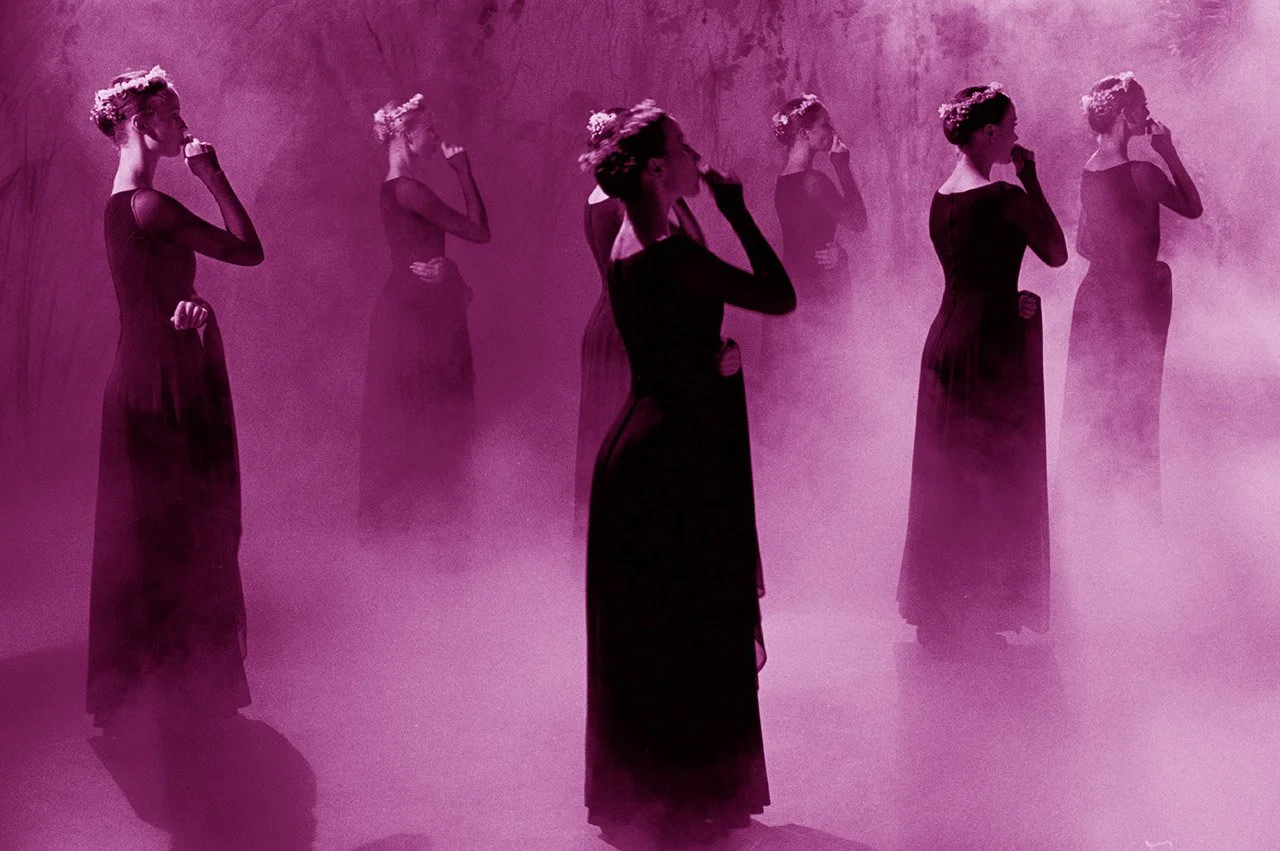
Dracula: Pages from a Virgin's Diary, 2002.
You’ve described both Winnipeg and Toronto in pretty unromantic terms in the past, but also with a kind of reluctant affection. What role do those places play in your life and work these days? Less as places you still shoot your films in, and more as places where your community and audiences have developed?
Toronto audiences have been very generous to me over the years, at least after my first few films, when the walkout rate was over 75 percent. Once people knew what to expect, they tended to stay. Also, my early films were kind of boring. Or very boring, depending on who you speak to. Winnipeg is different. Like most hometowns it's really hard on its own. I've learned not to premiere my films there. I let them tour the world first, and then I don’t attend the Winnipeg premiere. There are too many people who either hate me or would be happy to see me fail, even if they like me. That’s just hometown stuff. Everyone's out to get you. I showed My Winnipeg there only after it had been touring for a year. Only then, was it able to sell out a local theatre. My mom came, at the end a spotlight hit her and she got a standing ovation. She waved like Queen Elizabeth II to the audience, as if she got a standing ovation every day. She was so cool about it, and even proud. But that wouldn't have been possible if I'd shown it there one year earlier. Winnipeg would've booed my 90-year-old mother out of the theatre.
The Forbidden Room, 2015.
Bring Me the Head of Tim Horton, 2015.
Dracula: Pages from a Virgin's Diary, 2002.
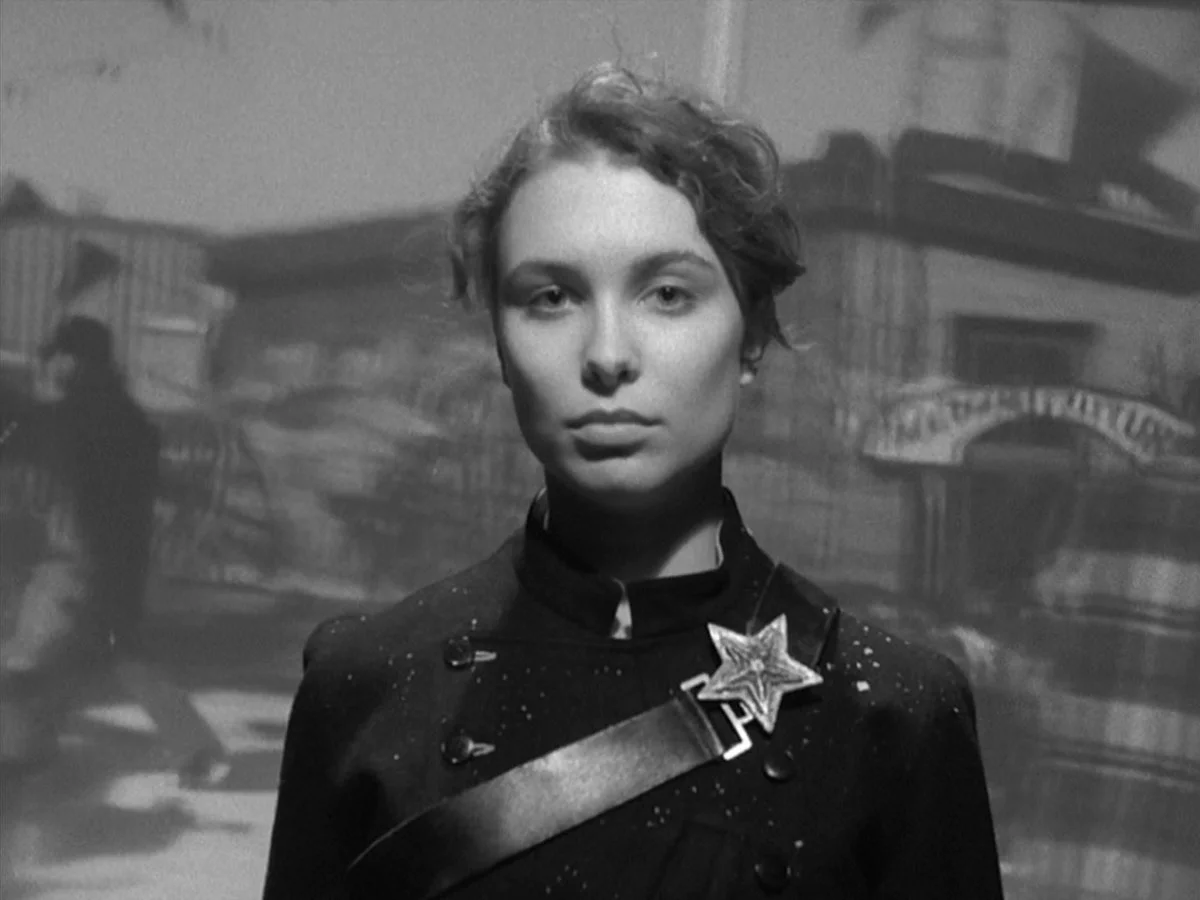
My Winnipeg, 2007.
You directed a haunting and stunning music video for It’s a Wonderful Life by Sparklehorse. It’s one I always return to. The work of Mark Linkous shares a similar sense of broken, beautiful nostalgia that courses through your films. What do you remember about that collaboration, and did you feel a creative kinship there?
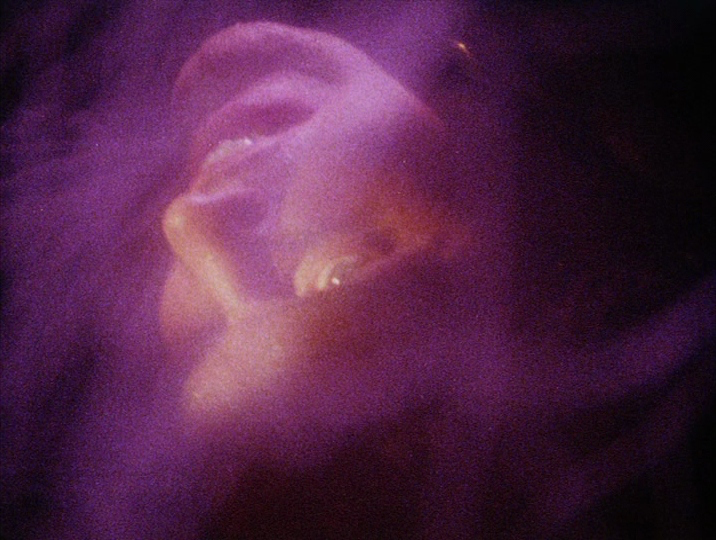
Yeah, isn't Mark Linkous incredible? If I could make movies like Mark makes music, I'd be sublimely thrilled. I was approached by someone else in the band to contribute a movie, for a cut on that album. I chose It’s A Wonderful Life because it just grabbed my ear, heart, and eyeball and demanded action from me! I never did speak with Mark. I wanted to, but I try to be cool around heroes. I didn't want to pester him. And then a few years later, he was gone, and I'll never get the chance. I never even got secondhand feedback from him about the little film, but I'm fairly pleased with it. It was a very enchanted night out at a kids playground where there's a roundabout for the kids to play on. We built our cardboard and papier mache set to fit onto it. We shot quickly on Super 8, practically editing in camera, and finished in about three hours. The next morning I came back to get the set, and a bunch of schoolchildren were tearing it apart like starving seagulls tearing apart a loaf of bread. It was like Lord of the Flies, not enchanting at all. But funny in its own way. The complete flipside of the vibe on set while shooting. My memory of shooting is mostly just the movie itself. Something gently rotating in the black monochrome, great music bouncing slowly around in my head.
It’s a Wonderful Life, 2001.
Maddin ends our interview by once again requesting that I fix the typos in his voice-to-text dictation. I offer to send my finished version of this interview to him once it’s done, and he declines to ever read it, as he can’t stand to read his own words in print.